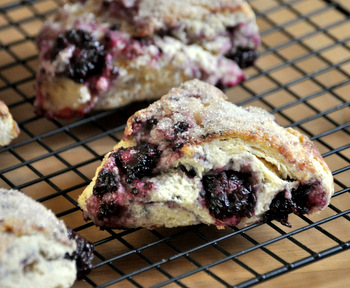
The Irresistible Charm of Homemade Blackberry Scones
There's something truly magical about the aroma of freshly baked scones wafting from the kitchen. Among the countless delightful variations, blackberry scones hold a special place, combining the classic buttery, flaky texture of a perfect scone with the burst of sweet-tart flavor from succulent blackberries. These humble baked goods are a celebration of simplicity and natural goodness, making them an ideal treat for breakfast, brunch, afternoon tea, or simply a comforting snack. Whether you're a seasoned baker or just starting your culinary journey, mastering the art of blackberry scones is a rewarding experience that promises delicious results and endless satisfaction. This comprehensive guide will walk you through everything you need to know to bake the most exquisite blackberry scones, from ingredient selection to expert baking techniques and serving suggestions.
Mastering the Art of Perfect Blackberry Scones: Key Ingredients and Techniques
Creating truly exceptional blackberry scones hinges on understanding the role of each ingredient and employing the correct techniques. It's not just about mixing things together; it's about thoughtful preparation that yields a tender crumb and rich flavor.
The Foundation: Flour, Leavening, and Fat
- All-Purpose Flour: The backbone of your scones. While some recipes call for cake flour for extra tenderness, good quality all-purpose flour works beautifully. Avoid over-handling the dough, as this can develop the gluten too much, leading to tough scones.
- Baking Powder: This is your primary leavening agent, providing that characteristic lift and airy texture. Ensure your baking powder is fresh for optimal results. Along with a pinch of salt, it balances the flavors and enhances the overall taste.
- Cold Butter: Perhaps the most critical ingredient for flakiness. The butter must be ice cold and cut into small pieces or grated. As the cold butter melts in the hot oven, it releases steam, creating pockets of air and resulting in those coveted flaky layers. Using warm or soft butter will yield a denser, cake-like scone rather than a light, crumbly one. Some bakers even freeze their butter for 15-20 minutes before incorporating it.
The Star: Fresh vs. Frozen Blackberries
Blackberries are the undisputed heroes of this scone recipe, and you have options when it comes to their form:
- Fresh Blackberries: When in season, fresh blackberries offer unparalleled flavor and juiciness. Gently rinse and pat them completely dry before using. Be careful not to crush them during mixing.
- Frozen Blackberries: A fantastic alternative when fresh berries aren't available or are too expensive. The key with frozen berries is to add them directly from the freezer, without thawing. Thawing can release too much moisture, making your dough sticky and potentially coloring the dough purple. A common trick is to toss the frozen berries with a tablespoon of flour before adding them to the dough; this helps absorb excess moisture and prevents them from sinking.
Liquid Gold: Buttermilk and Cream
The choice of liquid plays a significant role in the texture and flavor of your scones.
- Buttermilk: The preferred liquid for most scone recipes, and for good reason. Its acidity reacts with the baking powder, contributing to a better rise and a wonderfully tender crumb. It also imparts a subtle tang that complements the blackberries beautifully.
- Heavy Cream: If buttermilk isn't available, heavy cream can be used. It creates a richer scone, though it might be slightly less tender than those made with buttermilk. You can also make a buttermilk substitute by adding a tablespoon of lemon juice or white vinegar to regular milk and letting it sit for 5-10 minutes until it curdles slightly.
The Golden Touch: Sugar and Flavorings
A modest amount of granulated sugar provides sweetness without overpowering the natural tartness of the blackberries. For an extra layer of flavor, consider adding a teaspoon of vanilla extract to your liquid ingredients or the zest of half a lemon to your dry ingredients. Lemon zest pairs exceptionally well with blackberries, brightening their flavor profile.
Step-by-Step Guide to Baking Irresistible Blackberry Scones
With your ingredients ready and a good understanding of their purpose, let's dive into the baking process. Precision and a light touch are your best friends here.
Preparation is Key
Start by preheating your oven to the recommended temperature (typically 400-425°F or 200-220°C). Line a baking sheet with parchment paper; this prevents sticking and makes cleanup a breeze.
Mixing the Dry Ingredients
In a large bowl, whisk together the flour, granulated sugar, baking powder, and salt. Whisking ensures that the leavening agents are evenly distributed, which is crucial for a consistent rise.
Incorporating the Butter
Add the cold, cubed butter to the dry ingredients. There are a few methods for incorporating it:
- Pastry Blender: Use a pastry blender to cut the butter into the flour mixture until it resembles coarse crumbs, with some pea-sized pieces of butter remaining.
- Fingertips: This traditional method uses your fingertips to rub the butter into the flour. Work quickly to prevent the butter from warming too much.
- Food Processor: For a faster approach, pulse the dry ingredients and butter in a food processor a few times until the mixture forms coarse crumbs. Be careful not to over-process.
This step is vital for flaky scones. Those small pockets of butter will create steam in the oven, leading to light, airy layers.
Adding the Blackberries
Gently fold in the blackberries. If using frozen berries, toss them first with a teaspoon of flour to coat. Be careful not to mash the berries, as this will bleed their juices into the dough and create a purple tint.
The Liquid Phase
Make a well in the center of your dry ingredients. Pour in the cold buttermilk (or cream/substitute). Use a fork or your hands to mix gently until the dough just comes together. The mixture should be shaggy and slightly sticky, not perfectly smooth. The most common mistake here is overmixing, which develops gluten and results in tough scones. Stop mixing as soon as the flour is mostly incorporated.
Shaping and Cutting
Turn the dough out onto a lightly floured surface. Gently pat the dough into a round or rectangular shape, about 1-inch thick. Avoid rolling with a pin, as this can compress the dough too much. For traditional wedge-shaped scones, cut the round into 6-8 triangles. For round scones, use a floured biscuit cutter (avoid twisting the cutter, as this seals the edges and prevents a good rise). Place the cut scones onto your prepared baking sheet, leaving some space between them.
For more foundational scone techniques, you might want to revisit blackberry scones - Article 1. There you'll find a detailed breakdown of basic scone principles that are universally applicable.
The Bake
Before baking, you can brush the tops of the scones with a little extra buttermilk or heavy cream for a golden finish, and sprinkle with a touch of granulated sugar for a lovely crunchy crust. Bake for 15-20 minutes, or until the scones are golden brown on top and a toothpick inserted into the center comes out clean. Baking time can vary depending on your oven and the size of your scones. Once baked, transfer them to a wire rack to cool slightly before serving.
Elevating Your Blackberry Scones: Tips, Variations, and Serving Suggestions
While the classic blackberry scone is delightful on its own, there are always ways to refine your baking and explore new flavor profiles.
Troubleshooting Common Scone Problems
- Tough Scones: Almost always a result of overmixing the dough. Remember, a light hand is essential.
- Flat Scones: Could be due to old baking powder, not enough cold butter, or overworking the dough which warms the butter prematurely.
- Dry Scones: Not enough liquid, or baking them for too long.
- Mushy Berries: Overmixing with fresh berries, or not tossing frozen berries in flour.
Creative Variations
Don't be afraid to experiment once you've mastered the basic recipe:
- Lemon-Blackberry: Add 1-2 teaspoons of fresh lemon zest to the dry ingredients for a bright, tangy counterpoint.
- Almond-Blackberry: A few drops of almond extract in the liquid can provide a lovely nutty depth. A sprinkle of sliced almonds on top also adds texture.
- Mixed Berry Scones: Combine blackberries with raspberries or blueberries for a vibrant medley of flavors.
- Oatmeal Blackberry: Replace a quarter cup of flour with rolled oats for a heartier texture.
- Spiced Blackberry: A pinch of cinnamon or cardamom can warm up the flavor profile, especially delicious in autumn.
Perfect Pairings and Serving Ideas
Blackberry scones are incredibly versatile. They are best served warm, ideally within a few hours of baking. The most classic accompaniment is clotted cream and a good quality fruit jam, perhaps even a homemade blackberry jam to double down on the berry goodness. Other delicious options include:
- Freshly whipped cream
- Lemon curd for an extra citrusy kick
- A drizzle of honey or maple syrup
- A simple dusting of powdered sugar
They are the quintessential treat for an afternoon tea, a decadent addition to a weekend brunch spread, or simply a comforting companion to your morning coffee or tea. If you're looking for even more advanced tips or troubleshooting advice to perfect your scone game, be sure to check out blackberry scones - Article 3, which delves into more nuanced techniques.
Conclusion
Baking blackberry scones is more than just following a recipe; it's an experience that engages your senses and rewards you with a truly special treat. From the fragrant scent filling your kitchen to the first bite of a tender, flaky scone bursting with juicy blackberries, every step is a delight. By paying attention to key ingredients like cold butter and buttermilk, and employing gentle mixing techniques, you can achieve professional-quality results right in your own home. So, gather your ingredients, clear your schedule, and embark on the wonderfully satisfying journey of baking your own perfect blackberry scones. They are sure to become a cherished favorite in your recipe collection.
